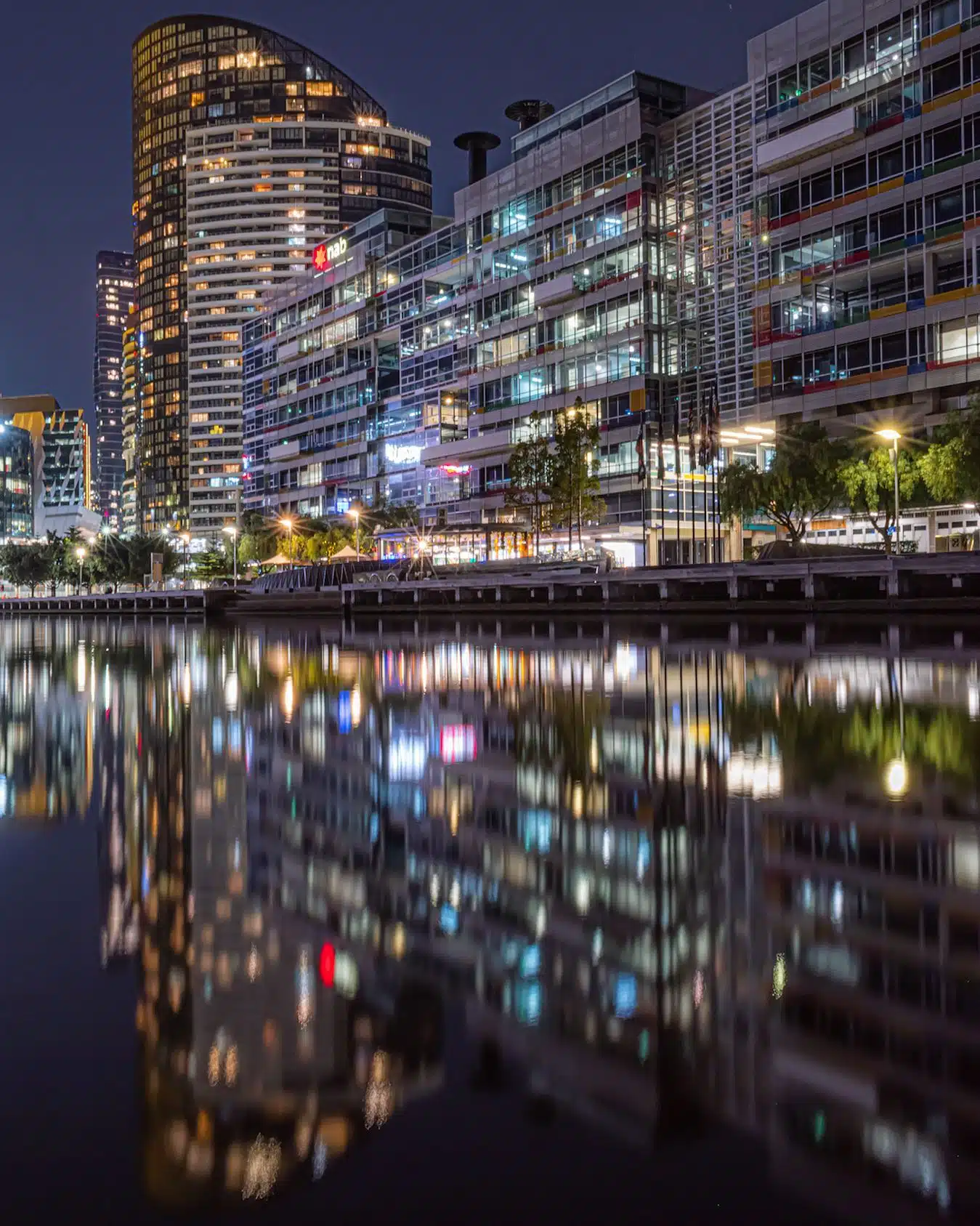
How a minimal budget turned an account with zero sales into a stable lead-generation system for a premium waterfront venue in Melbourne.
Premium waterfront event venue · Melbourne, Australia - name hidden at the client's request.
A premium waterfront venue in Melbourne for private and corporate events: milestone celebrations (21st, 50th), birthdays, weddings, engagement parties, corporate functions, networking, product launches, Christmas events and NYE. A full-service format - venue + catering + beverages + event management.
The economics here are unusual: the average deal starts at $4,000, so a single closed inquiry pays back the ad budget many times over. The job was never about lead volume - it was about getting the right people at the right cost.
The ad account looked busy and produced nothing. For months it ran on engagement and traffic objectives - racking up cheap link clicks at around $0.08 that made the dashboards look healthy, while the business received zero real inquiries.
In February 2025 the client tried a lead objective for the first time. On paper it worked: 21 leads at $9.92 - genuinely cheap. In reality, not one was qualified. People either never replied or were "just asking for someday." Zero turned into a client. $0 ROI on a live budget.
That's the trap this case is really about: cheap leads are not the same as good leads - especially in a premium niche where one booking is worth $4,000+.

February 2025 - before start: 21 leads at $9.92, none converted into a client.
The account wasn't unlucky - it was set up to fail. Three structural mistakes, all rooted in one thing: no homework had been done on the audience before spending a dollar.
Broad Advantage+ audience, no interest targeting. Campaigns ran to everyone within the geo - with no behavioral segments for private events and no respect for the premium positioning.
16 creatives in a single ad, differing only in headlines. On a $500–600/mo budget the algorithm simply cannot learn: there is never enough data per variation, and the budget gets spread too thin.
FB Lead Forms only, with no verification. Forms completed in two clicks - formally cheap leads, effectively junk. People filled them out without thinking, and never showed real intent.
The bottom line: the account was generating form fills, not demand. Fixing that meant rebuilding from the audience up.
Everything below follows one logic: first understand who we're selling to and why they choose this venue, then make every lead measurable, then find the winning combination and scale it. That sequence is the system.
Before touching the budget, I did the work that had been skipped: audience analysis and segmentation, competitor analysis, and a read on the niche itself - who books a $4,000+ venue, what they fear, who they trust, and how the competing venue groups position themselves. Every creative, every interest set and every test that followed was built on that foundation, not on guesswork.
Why this came first: without verified tracking you cannot tell a working combination apart from wasted spend.

March 2025 - start of work: new structure, precise audiences, verified forms.
I moved from broad Advantage+ to precise interest-based audiences focused on private events, and tested formats (video, carousel, banners). The decisive lever turned out to be putting the price directly in the creative and copy - it filtered out non-buyers instantly and lifted lead quality. Once creative + audience + campaign settings clicked, results became predictable - leads scaled to 70–86 a month at $6–7 each - and for the first time, leads started converting into real bookings.
In autumn 2025 the client flagged that quality needed to be even higher. I shifted the focus to website leads - they consistently show higher intent and close better. In October I paused the FB Lead Form ad sets and recreated them with a Website Leads objective. CPL rose as expected ($14 → $32 at the peak of the rebuild), but lead quality jumped. By month-end I'd relaunched on fresh audiences, broken out of saturation, and stabilized CPL roughly 50% below the peak.
In January 2026 I assembled the structure that still runs today - one Private Events campaign with two ad sets: one for website leads, one for Meta Lead Forms. Then the pattern appeared: when both directions run together - even with FB forms on a minimal budget - website leads come in significantly cheaper than from a dedicated website-only campaign. The algorithm learns from the combined signal flow and delivers high-intent website inquiries at a cost a standalone setup can't match.

February 2026 - the winning combination, in a single campaign: 40 leads, 27 from the website.
On top of the stable system I ran seasonal pushes that never disrupted the main flow - Winter Venue (May), Corporate Christmas (Nov–Dec), and an NYE ticket campaign. All of this ran in sync with a consistent organic presence on Instagram and Facebook - paid creatives and organic content reinforced one premium brand image, so paid traffic landed on people who already recognized the venue. The ads weren't an isolated channel; they were one layer of a coherent system.

June 2025 - peak month: 86 leads at $6.31.

April 2026 - the system still holding, 13+ months in: 39 leads at $14.79.
What changed for the business: leads now arrive from two sources at once - verified FB forms and high-intent website inquiries - at a cost that lets a single $4,000 booking cover months of budget. The client is happy with both the quality of inquiries and the number of bookings, which is why the partnership has run for 13+ months and continues.
Cheap leads ≠ good leads. Before I started, the account generated inquiries at $9.92 - and not one became a client. An open-ended question and phone verification added $2–3 to the CPL and dramatically increased closed deals.
You cannot test 16 creatives on a small budget. At $600/mo the algorithm never gets enough data per variation. Only a focused structure works: 2–3 proven creatives + precise interest targeting, built on real audience research.
FB forms and website forms together beat either one alone. The algorithm learns from the combined signal flow and delivers website leads far cheaper than a dedicated website-only campaign. This was the key discovery.
One closed deal pays for six months of advertising. The venue's average deal is from $4,000. On a $600/mo budget, a single transaction covers ad spend for 6+ months. Before I started there were zero closings - now it's a steady stream.
Tell me about your business and goals. I'll show you honestly whether paid ads can get you there - and what it would take.
Discuss your project →